
Essential Local HVAC Services Every Homeowner Should Know About
As the demand for residential heating and cooling systems grows, so does the need for comprehensive knowledge about local Heating, Ventilation, and Air Conditioning (HVAC) services. Homeowners should be well-informed on how best to maintain and optimize their systems. This will not only lead to a more energy-efficient home but also contribute to the family's overall well-being. With the right information, maintaining an efficient HVAC system becomes a manageable task rather than a burdensome chore.
Routine Maintenance and Inspection
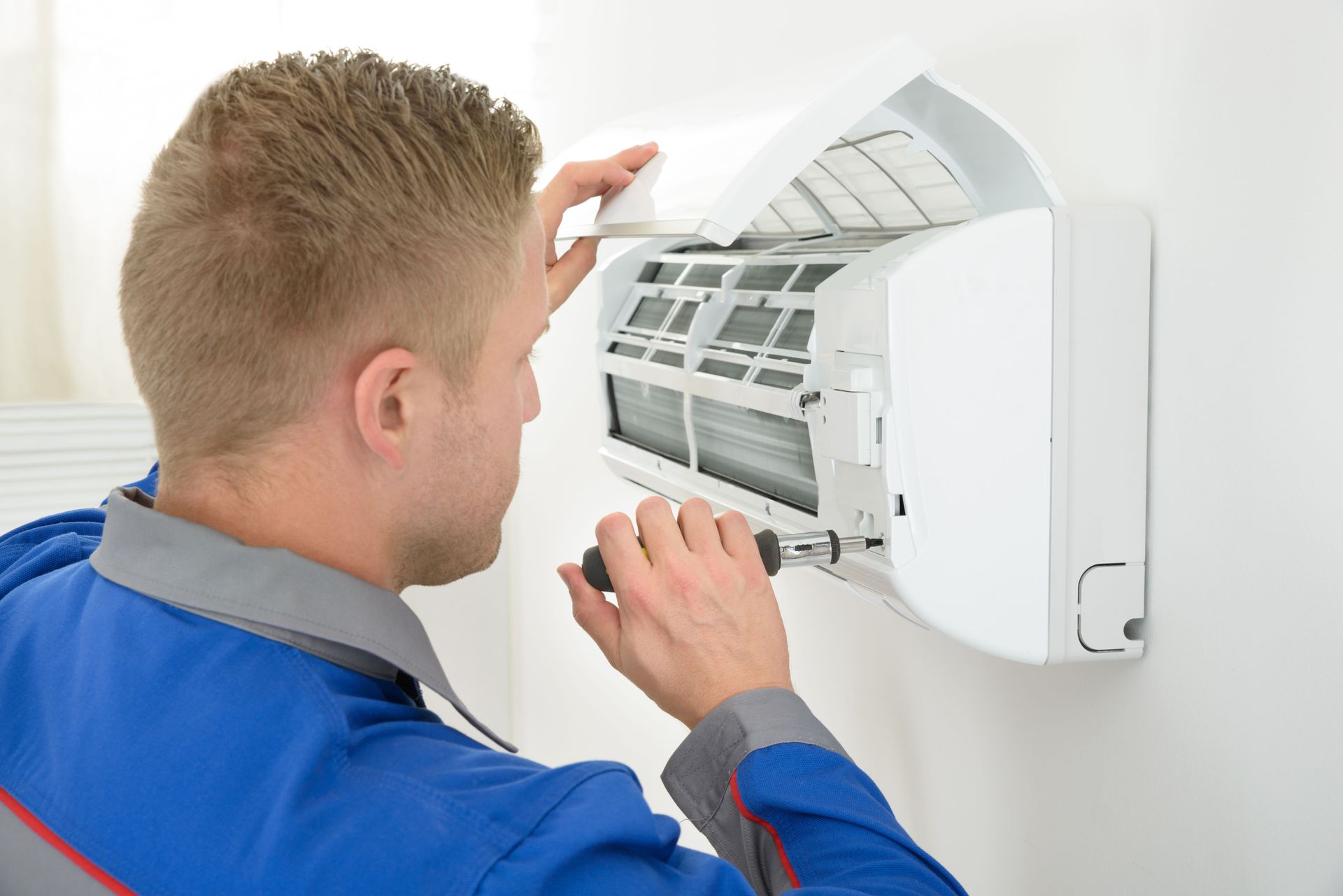
Regular maintenance supports the longevity and performance efficiency of an HVAC system by preventing the gradual decline in effectiveness that often leads to higher energy bills. Having a professional technician inspect the system regularly allows minor issues to be addressed before they escalate into costly repairs or complete breakdowns during extreme temperatures. Beyond avoiding failures, routine check-ups improve indoor air quality by removing dust and debris that accumulate in ducts and filters. This proactive approach reduces wear and tear on internal components, pushing back the need for a total system replacement and providing homeowners with substantial long-term savings.
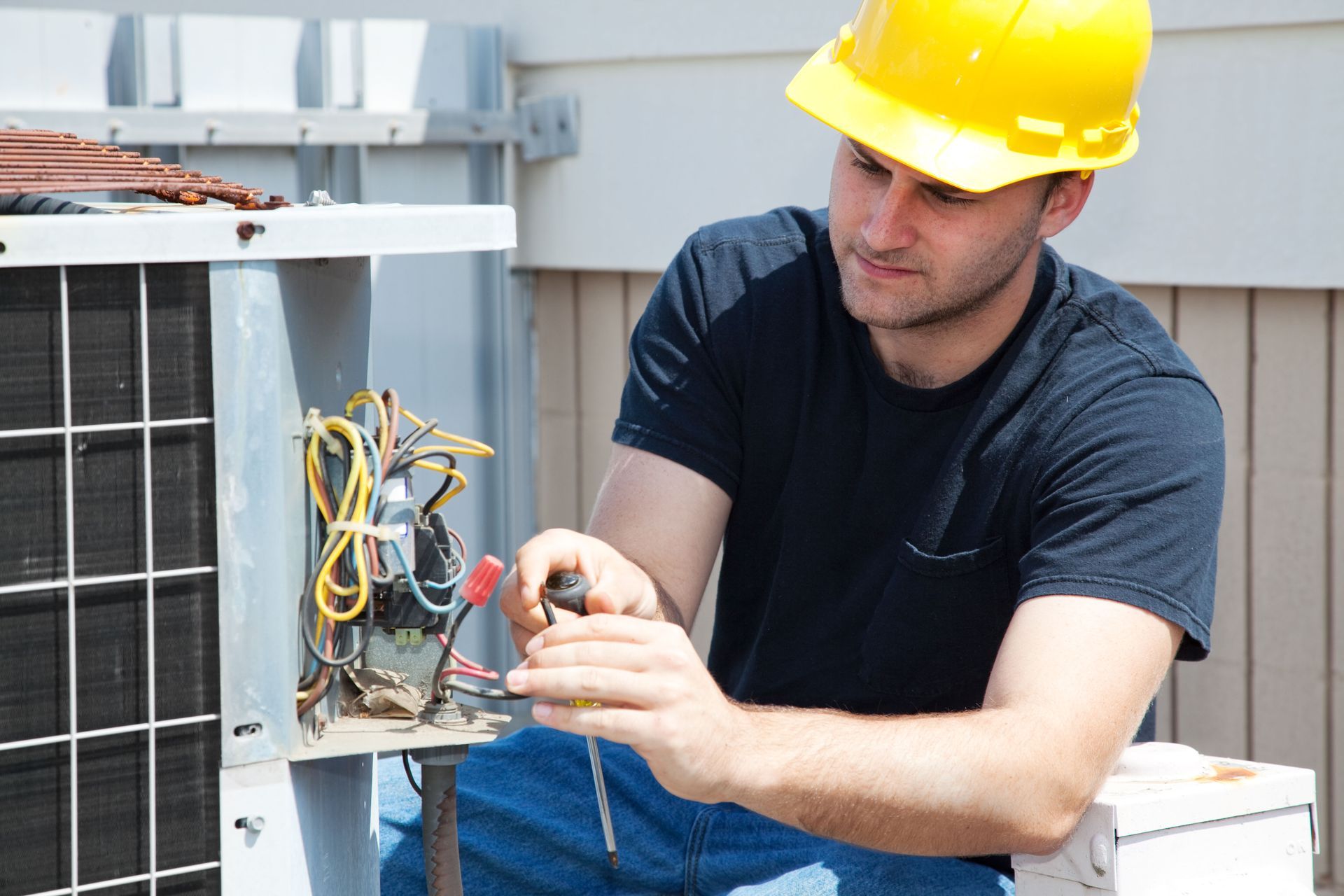
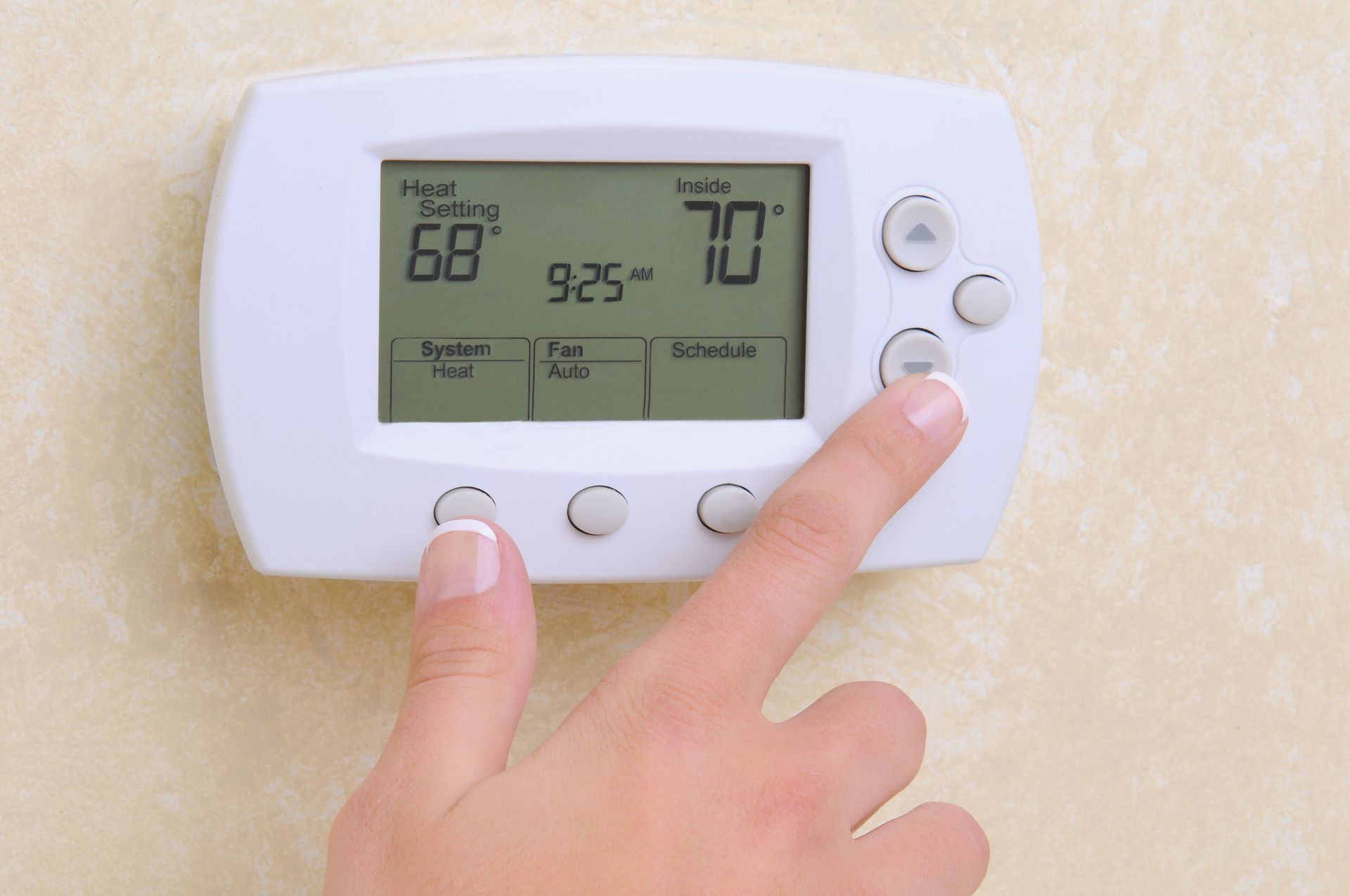
Proper local HVAC services involve several crucial tasks like cleaning evaporator coils, lubricating motors, and tightening electrical connections to maintain peak performance. Changing air filters every one to three months is especially important because clogged filters restrict airflow and force the system to consume more energy. Homeowners should also verify that thermostat settings are optimized for energy savings and that ductwork remains sealed and free of blockages. Engaging professionals for these detailed tasks helps identify potential issues promptly and keep the system running smoothly.
The frequency of these maintenance checks depends on the age of the system and local climate, though most units should be serviced twice a year. According to the Energy Information Administration, even older homes built before 1950 have a high rate of cooling usage, with 83% utilizing some form of air conditioning. Scheduling these visits during off-peak seasons allows homeowners to avoid the rush and potentially secure lower rates while preparing the unit for extensive seasonal demands. Supplementing professional visits with monthly visual inspections for leaks or unusual sounds helps create a reliable maintenance routine.
System Installation and Replacement
Recognizing when to replace an HVAC system involves identifying key signs of declining performance and rising costs. Age is a primary indicator, as systems over 15 years old often lack the efficiency of modern models and may require frequent, expensive repairs. Rising energy bills, inconsistent temperatures, and excessive noise suggest that the unit is struggling to maintain airflow and regulate indoor climate. Consulting with local HVAC services for a thorough assessment allows homeowners to transition to a new installation before a total system failure occurs, maintaining consistent comfort and potentially lowering the home’s carbon footprint.
Modern HVAC systems provide significant improvements in energy efficiency through advanced technology like variable speed motors and smart thermostats. These systems can reduce monthly energy bills by up to 20% while offering superior humidity control and air quality. When selecting a new unit, homeowners should prioritize high Seasonal Energy Efficiency Ratio (SEER) ratings and Energy Star certification to meet federal standards for emissions and efficiency. Choosing environmentally responsible options, such as high-efficiency heat pumps, reflects a commitment to long-term sustainability and financial savings over the lifespan of the equipment.
Selecting the correct HVAC system requires a comprehensive evaluation of home size, insulation quality, and local climate demands. A system that is incorrectly sized will fail to function efficiently, leading to increased utility costs and premature wear. Professionals perform detailed load calculations to determine the exact heating and cooling capacity needed for the specific layout of a house. By considering brand reliability, warranty coverage, and personalized features like zoned heating or advanced filtration, homeowners can find a balance between functionality and budget that provides maximum longevity and satisfaction
Professional Installation and Performance
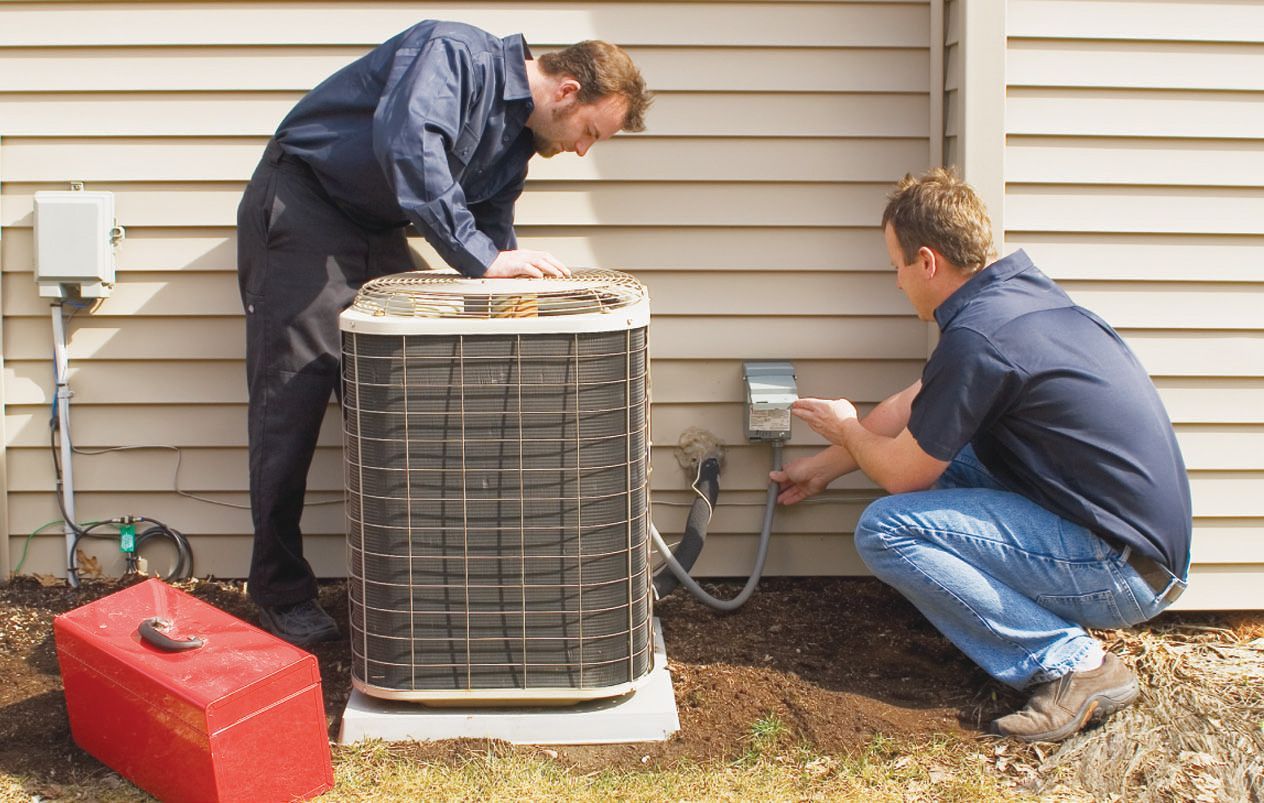
The installation of a new HVAC system is a detailed process best managed by knowledgeable professionals. It begins with a thorough assessment of the existing system and the home to confirm compatibility with the newly selected system. Technicians assess the existing ductwork to make sure it can handle the power of the new system. In cases where ducting is insufficient, it might need to be resized or replaced to accommodate the new unit. Properly evaluating these structural elements before the work begins prevents airflow restrictions that could otherwise lead to premature equipment failure.
Afterwards, technicians uninstall the old system and prepare the space for the new installation. During this phase, care is taken to prevent damage to the home's structure and provide safe disposal of any refrigerants per environmental regulations. Once the new system is in place, technicians conduct comprehensive testing to guarantee everything functions correctly. These tests check whether the system will perform at its highest efficiency and fulfill the heating and cooling needs of the home. Final calibration of the thermostat and electrical connections verifies that the unit responds accurately to the specific temperature demands of each room.
Quality installation can dictate the difference between a system performing seamlessly and one that presents regular issues. Post-installation, professionals perform a tutorial for homeowners, explaining system operation and demonstrating basic maintenance tasks. This transparency empowers homeowners to responsibly manage their new HVAC systems and reaffirms the value of professional installation. A concise process from start to end guarantees satisfaction for the homeowner and establishes a reliable point for future local HVAC services.
Post-Installation Services and Care
Once a new HVAC system is installed, attention shifts to post-installation services that safeguard its functionality. Service providers typically offer a follow-up visit to address any initial teething issues after running the new system for a few weeks. This helps the system operate as expected and allows for any necessary adjustments to the internal settings. Prompt follow-up can prevent minor issues from becoming major problems and reinforce system reliability. These initial check-ups verify that the airflow and refrigerant levels are perfectly calibrated for the specific layout of your home.
Additionally, engaging in reliable local HVAC services post-installation provides access to warranties and a reliable maintenance plan. These plans usually include annual inspections, priority service, and discounted rates for repairs not covered by warranty. Signing up for these plans affirms that a professional will be monitoring the system’s function and health, offering both convenience and peace of mind for the homeowner. A consistent relationship with a qualified technician helps build a comprehensive service history that can be invaluable for future warranty claims or property appraisals.
Taking advantage of post-installation services underscores a homeowner’s commitment to their investment’s longevity. Regular tracking of system performance with the help of a trusted service provider maximizes efficiency and promotes energy savings. By embracing these local HVAC services, homeowners help their HVAC system remain a reliable and efficient component of their household comfort system. These follow-ups and services form an essential part of a holistic HVAC solution, encouraging sustainable home comfort. Investing in a structured care plan ultimately reduces the total cost of ownership by extending the operational life of the equipment.
Maintaining a high-performing HVAC system requires a proactive approach that combines regular professional inspections with informed decision-making during replacement and installation. By prioritizing energy-efficient technology and adhering to structured post-installation care plans, homeowners can achieve significant cost savings and superior indoor air quality. Ultimately, a well-managed climate control system provides a foundation for long-term household comfort and environmental sustainability. Contact JLB Mechanical Heating & Cooling, Inc today to schedule your professional
local HVAC services and experience the reliable comfort and efficiency your home deserves.

Share On: